
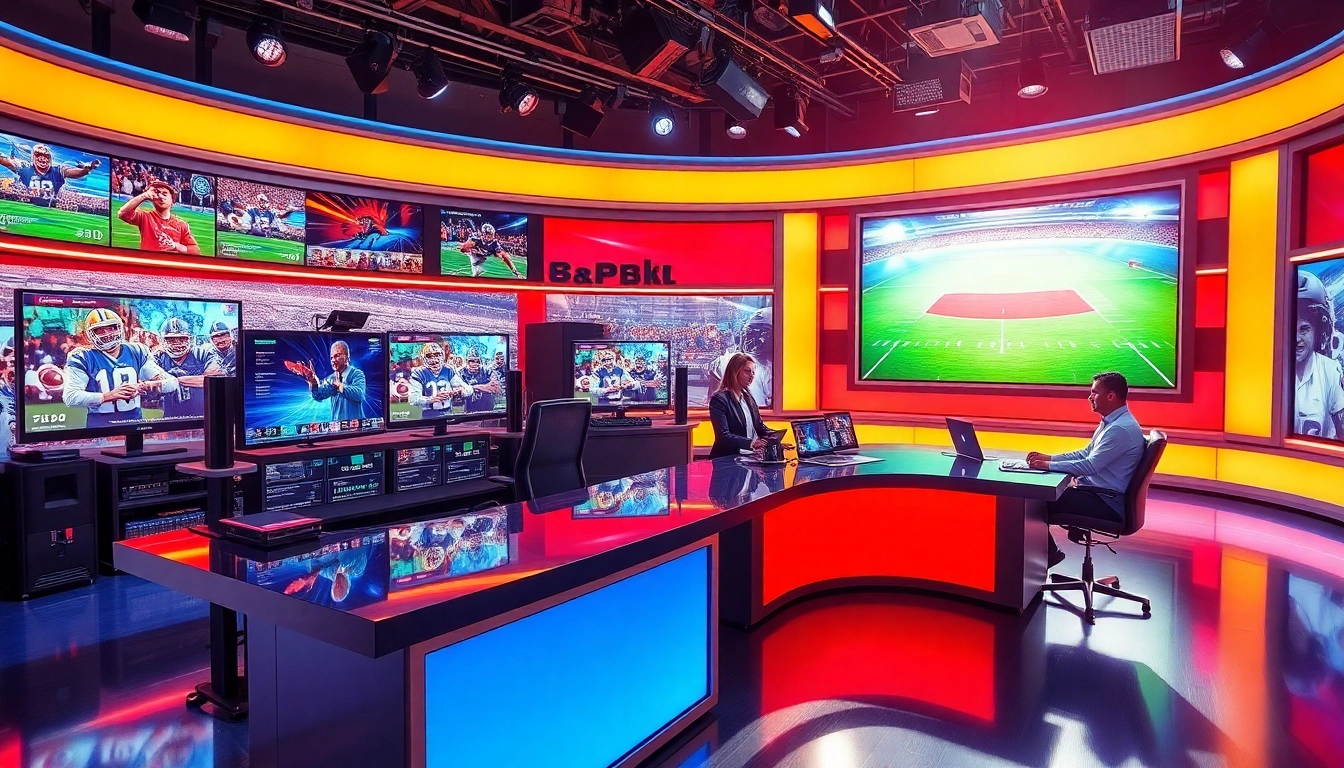
Understanding Sports Broadcasting
The Basics of Sports Broadcasting
Sports broadcasting is a critical component of the media landscape, enabling fans to engage with their favorite sports from anywhere in the world. It encompasses the live transmission or recorded broadcasting of sports events through a variety of mediums, including television, radio, and increasingly, online platforms. The evolution of broadcasting has allowed for real-time updates, expert commentary, and a range of viewer choices, thereby transforming the way sports are consumed. The modern sports broadcaster plays multiple roles, serving not just as a voice in the booth but also as a navigator of the complex media environment, adapting to the interests and preferences of a diverse audience.
When we refer to Sports Broadcasting, we see a landscape ripe with opportunities ranging from traditional TV channels to innovative streaming services. This diverse range of platforms has significantly broadened the reach of sporting events, allowing fans and casual viewers alike to participate in the excitement of live sports.
The Evolution of Sports Broadcasting
The history of sports broadcasting dates back to the early 20th century when radio became popular. The first live sports broadcast occurred in 1921 when a boxing match was aired. This marked the beginning of a new era for sports, allowing fans who couldn't attend events in person to still experience the thrill of live competition. With the introduction of television in the 1930s, the game changed drastically. Fans could now watch their favorite teams play from their living rooms, a phenomenon that would revolutionize how sports were consumed.
As technology progressed, sports broadcasting saw the incorporation of color television in the 1960s, which greatly enhanced the viewing experience. The subsequent boom in cable television during the 1980s brought about dedicated sports networks that catered to an ever-increasing appetite for sports content. Today, the landscape is shifting once again with the advent of the internet and mobile technology, which presents both opportunities and challenges for traditional broadcast methods.
The Impact of Technology on Sports Broadcasting
Technology has fundamentally reshaped sports broadcasting in countless ways. High-definition televisions and 4K streaming have elevated viewer experiences, while innovations such as Augmented Reality (AR) and Virtual Reality (VR) are beginning to merge live action with interactive experiences. Furthermore, graphics technology now enables real-time stats and graphics that are synchronized with the action, enhancing the storytelling and understanding of the game.
The rise of mobile devices has also contributed to a growing demand for on-the-go access to sports content. Fans can now watch live games, highlights, and analysis from anywhere, leading to a considerable increase in viewership numbers across various platforms. As technology continues to evolve, the sports broadcasting industry must stay ahead of the curve to meet changing audience preferences and enhance viewer engagement.
Current Trends in Sports Broadcasting
Popular Live Streaming Platforms
The rise of live streaming platforms has been one of the most significant trends in sports broadcasting over the past decade. Services such as YouTube Live, Twitch, and various sports-focused streaming platforms have emerged as viable alternatives to traditional broadcast networks. They provide fans with instant access to live events, original programming, and exclusive content that can’t be found elsewhere.
These platforms allow for greater interactivity, enabling fans to engage through comments, social media, and live chat features. They also offer on-demand viewing options, catering to audiences who may not be able to watch live. As bandwidth and internet speeds improve globally, live streaming's popularity is expected to continue its upward trajectory.
Social Media and Sports Broadcasting
Social media platforms like Twitter, Facebook, Instagram, and TikTok have increasingly become integral to sports broadcasting strategies. They serve as crucial channels for promoting live events, sharing highlights, and providing real-time updates and commentary. Social media allows fans to connect more personally with players and teams, creating a community atmosphere around sports.
These platforms have also blurred the lines between traditional sports broadcasting and user-generated content. Fans and influencers can create their commentary, engage in discussions, and even live stream their viewing experiences. This integration of social media into sports broadcasting is reshaping how content is consumed by encouraging instantaneous engagement and interaction.
Interactive Viewership Experiences
Interactive viewing experiences are becoming a hallmark of modern sports broadcasting. Technologies allowing fans to participate in live polls, choose camera angles, or even influence on-screen graphics during live events create a new level of engagement. For example, some networks are experimenting with the ability to personalize viewing experiences, enabling fans to select the type of commentary they prefer or choose to see specific data overlays.
This kind of interactivity serves not only to enhance the viewing experience but also to collect valuable data and feedback from audiences, allowing broadcasters to tailor content according to viewer preferences and interests. By leveraging interactivity, broadcasters can keep viewers more engaged and reduce the likelihood of channel-switching during games.
Challenges Facing Sports Broadcasting
Rights Management and Licensing Issues
Rights management and licensing issues are among the most significant hurdles facing sports broadcasters today. Securing broadcasting rights for specific leagues or events can be a complex and costly endeavor. As more platforms vie for exclusivity, negotiations have become increasingly competitive, with organizations looking to maximize profits.
Moreover, the rise of global streaming services introduces complications surrounding regional licensing restrictions and compliance with international broadcasting laws. Broadcasters must navigate these complexities while ensuring content is available to fans across various platforms and locations without infringing on rights agreements.
Adapting to Audience Expectations
As technology continues to evolve and transform viewer habits, sports broadcasters must remain agile and responsive to changing audience expectations. Today's fans demand authenticity, immediacy, and immersive content experiences. Broadcasters need to invest in new technologies and innovative storytelling techniques while considering how to cater to increasingly diverse demographics.
Engaging younger audiences, in particular, requires an understanding of contemporary platforms and communication styles. Traditional broadcasting strategies may need to be supplemented or replaced by more interactive and personalized content approaches to satisfy a generation that values accessibility and engagement.
Maintaining Quality Amidst Competition
The competitive landscape in sports broadcasting continues to intensify. With an abundance of content available across numerous platforms, maintaining content quality and viewer loyalty is a significant challenge. Broadcasters must focus on delivering high-quality presentations that enrich the viewing experience through expert commentary, insightful analysis, and engaging storytelling.
Furthermore, as niche platforms rise to prominence, sports broadcasters must find ways to differentiate themselves and offer unique value propositions. This emphasizes the importance of continual investment in technology and personnel to create top-tier broadcasts that stand out in a crowded market.
Best Practices for Sports Broadcasting
Engaging Your Audience Effectively
Engaging your audience is at the heart of successful sports broadcasting. Broadcasters must utilize various techniques to capture viewer interest, from storytelling and strong visuals to audience-centric polls and social media interactions. Participatory experiences, such as viewer Q&A sessions and behind-the-scenes content, can foster a deeper connection with audiences.
Additionally, providing content that resonates with specific audience segments—whether through localized commentary for regional sports teams or tailored content for differing demographics—can enhance engagement levels. Utilizing multiple channels for outreach ensures broad visibility and strengthens the relationship between fans and broadcasters.
Utilizing Data and Analytics
Data and analytics are indispensable tools in modern sports broadcasting, enabling broadcasters to gain insights into viewer behavior and preferences. By analyzing audience metrics—viewership patterns, engagement rates, and content interactions—broadcasters can make informed decisions about what types of content resonate most.
This applied data analysis informs programming choices, helps calibrate marketing efforts, and allows for personalization strategies that can improve audience retention. Investing in data and analytics capabilities not only enhances the broadcast experience but can also lead to higher revenue through targeted advertising and sponsorship deals.
Integrating Sponsorships and Ads
Effective integration of sponsorships and advertisements is crucial for sports broadcasters aiming to monetize their content successfully. The key is to align sponsorship messages with the overall viewing experience, ensuring they feel natural rather than intrusive. Employing techniques like branded content or interactive ads allows brands to connect with audiences without disrupting the flow of the broadcast.
Moreover, measuring the effectiveness of advertising campaigns through key performance indicators can help broadcasters refine their strategies and enhance partnerships with sponsors. Transparency and adaptability in these relationships can lead to long-lasting collaborations that benefit both parties.
Future Outlook for Sports Broadcasting
Predicted Innovations in Broadcasting
The future of sports broadcasting is poised for innovation, with several trends set to redefine how fans experience live events. Predictions include the integration of immersive technologies like AR, VR, and AI-driven enhancements that create interactive and personalized viewing experiences. Broadcasts may evolve to include multi-angle views powered by viewer preferences or AI-based commentary that adapts in real time.
Cloud-based broadcasting solutions are also expected to grow, enabling seamless distribution across multiple platforms and ensuring easier access for global audiences. Innovations are set not only to enhance the viewer experience but also to streamline production and reduce costs for broadcasters.
Changing Audience Preferences
As viewer preferences shift towards more interactive and enriching experiences, broadcasters must prioritize adaptability in their offerings. Younger generations are increasingly favoring on-demand content and short-form programming, reflecting the desire for flexibility. Sports broadcasters can capitalize on this by offering a mix of live coverage, highlights, and behind-the-scenes content scaled to audiences' preferred consumption habits.
Understanding these changing dynamics can help broadcasters build stronger connections with viewers, ensuring longevity in a competitive marketplace.
Global Trends in Sports Consumption
Globally, sports consumption is shifting, with rising interest in international sports alongside traditional local leagues. As more people gain access to global streaming services, audiences are opting to watch diverse sports from around the world. Broadcasters now have the responsibility to cater to these global audiences by providing multilingual commentary, localized content, and culturally relevant coverage.
Staying ahead of trends in global consumption will require broadcasters to broaden their content portfolios, ensuring they remain relevant and appealing to an increasingly international audience.
FAQs About Sports Broadcasting
What is Sports Broadcasting?
Sports broadcasting refers to the live transmission or recording of sports events through television, radio, and online platforms for viewers.
How has technology affected Sports Broadcasting?
Technology has transformed sports broadcasting through live streaming, enhanced graphics, and real-time statistics, enriching viewer engagement.
What are the biggest challenges in Sports Broadcasting?
Challenges include competing with digital platforms, managing rights and licensing, and meeting evolving audience expectations.
How can broadcasters engage their audience?
Engagement strategies include interactive viewing options, social media integration, and personalized content tailored to viewer preferences.
What is the future of Sports Broadcasting?
The future of sports broadcasting leans towards immersive experiences, increased use of virtual reality, and the rise of mobile streaming services.